
There are now many birdwatchers and a few people are becoming interested in recording larger insects such as butterflies and dragonflies, but botanical subjects still tend to be overlooked. However, they are the base of most other wildlife and a long time ago Colonel Montagu said ‘Every link in the chain of life is important’.
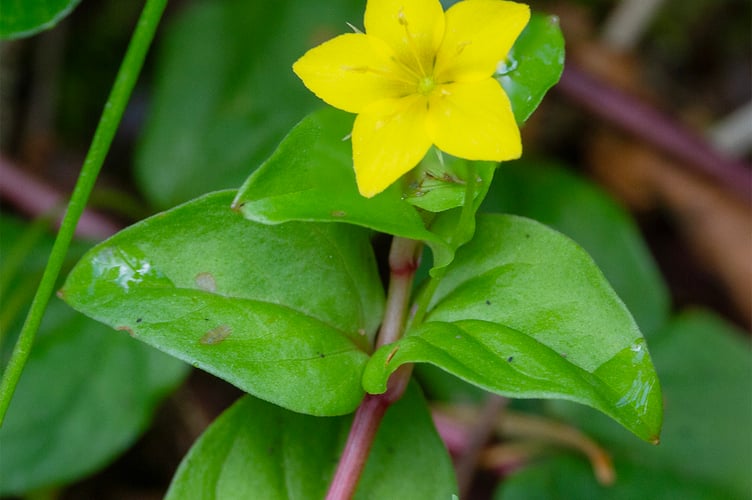
A good number of people may consider that they could identify common flowers such as Forget-me-nots but could you separate them from the virtually identical Speedwell family? The simple difference is that Forget-me-not flowers have a yellow ‘eye’ in the centre while Speedwells are white in that area. But, with around 8 species in each family, actually reaching a full identification requires considerable effort. I find Creeping Jenny and Yellow Pimpernel are also a difficult pair with both having small bright yellow flowers.
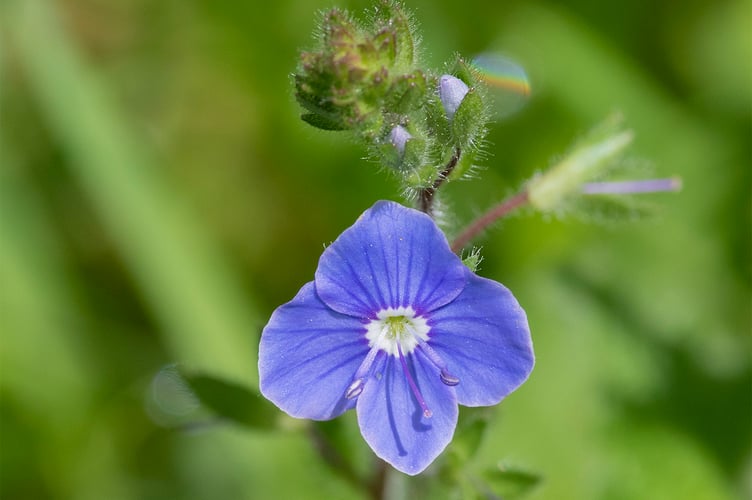
The botanical equivalent of ‘bird twitchers’ always carry a hand lens to see small details, such as fine stem or leaf hairs. There are many wildflower identification field guides ranging from very basic images of the most common species to substantial tomes which definitely aren’t pocket sized.
.jpeg?width=209&height=140&crop=209:145,smart&quality=75)

The Wild Flower Key by the aptly named Francis Rose was considered to be the ultimate identification book but it has nearly 600 pages and weighs almost a kilo. The text uses many abbreviations such as lvs, hths and gslds so I sometimes wonder if he actually talked in abbreviations. Some people may find the identification keys useful but I struggle to follow them.
As an alternative, I prefer Harrap’s Wild Flowers which only has 400 pages so is not quite as inclusive and without a key, so you need to have a rough idea of a plant’s family before searching the book. Old advice was ‘Always take the book to the plant’. Photography can be an alternative but you need to have a good light angle and it is easy to miss those critical parts.
Botany, which I failed to learn at school a long time ago, consisted of many off putting complicated terms, but you don’t need to become too technical for basic wildflower appreciation.
I have tried some internet based interactive identification software but without any real success.
There are smart phone apps which some people find useful but I admit to being not as smart as my phone and often struggle just to make a phone call.
Some wildlife experts will consider auto identification to be a form of instant gratification which spoils the thrill of the chase which comes from using book based identification keys. But keys can be a struggle and rely on personal opinions. For instance, a key might ask whether a flower is red or yellow while I consider my flower to be more orange.
Some wildflowers which are now considered to be English were introduced by 18th and 19th century plant collectors to satisfy a demand from large estates requiring something which was different from their neighbours.
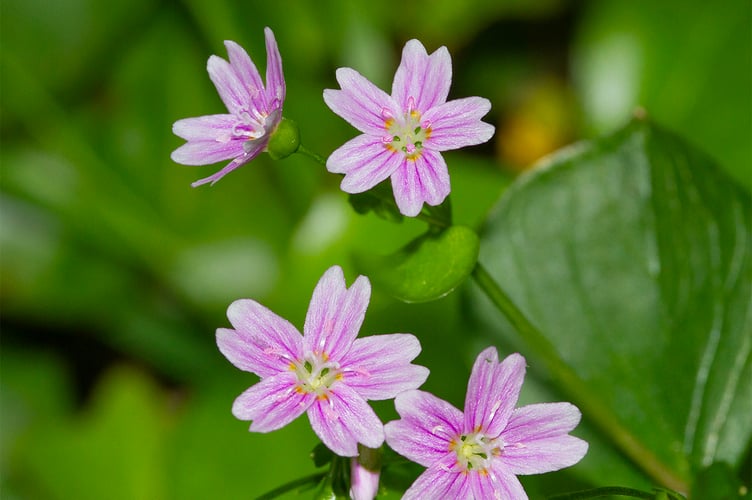
Many of these plants eventually ‘escaped’ into the wild countryside. A few, such as Rhododendron ponticum, have become a problem while others had less impact. For example, I am finding Pink Purslane, which originally came from America during the mid 1700s is slowly spreading. The rather small individual flowers look quite bland but they grow well in semi shade and clusters of plants can create a stunning pink carpet under small trees.
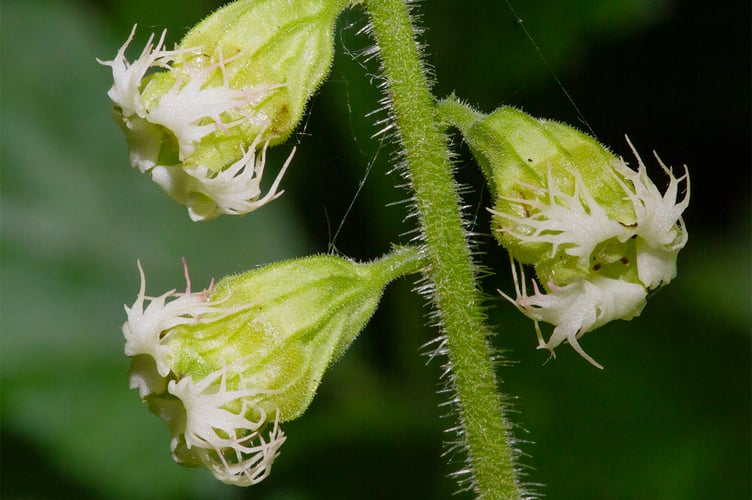
Fringecups are another American import which grows well in semi shade and has slowly spread without becoming a problem.
They grow to 3 ft in height with small cup shaped flowers that have a lace like white fringe, eventually turning pink with age. They have done well on Salcombe Berry and I have found a few along the old railway line beyond Loddiswell Station.
Comments
We've recently changed our login process. If you have an account for commenting, you will need to re-register on the login window.
This article has no comments yet. Be the first to leave a comment.