
Monday, 11th May marked the start of Foster Care Fortnight, the UK's biggest awareness raising campaign for fostering. Nearly 67,000 children live with around 52,000 foster families across the UK each day. Each family provides a stable and loving home to a child which transforms their life chances.
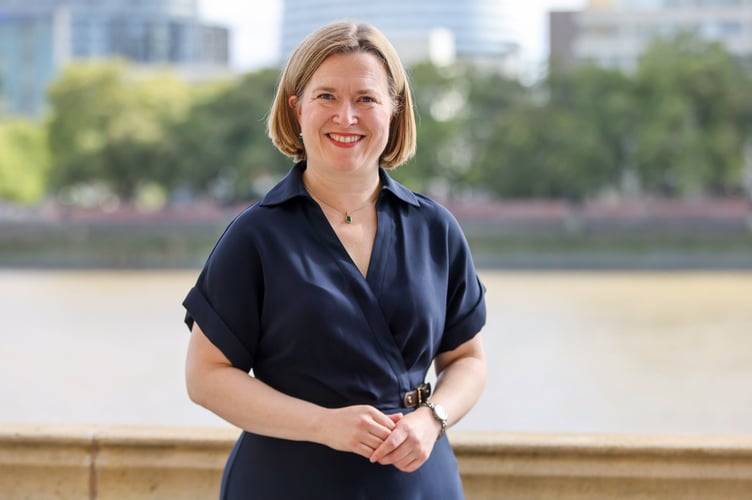
I witnessed this first-hand in my own family’s home with the special care my parents showed to other children as foster carers.
Locally, Devon County Council reported 810 children in care as of May 2026, while Plymouth City Council reported 527 children in care as of March 2025. Roughly two thirds of these children are fostered.
However, despite the incredible work these families are doing with the support of independent fostering agencies and local authorities, the care system is under immense stress.




80 percent of agencies have reported that recruiting new foster carers is a challenge. Official figures show that the number of foster carers fell from 63,890 in 2021 to 56,345 in March 2025 - a 12 percent drop. This has contributed to an alarming shortfall of 6,000 foster carers across the country. Locally, in Devon, this has forced children in care to be placed far from home.
Behind each of these numbers is a child, and it is imperative that the Government take decisive action. In February 2026, the Government set out its plans to renew foster care. One of the principal challenges is that only 5 percent of people who apply complete the process. The Government pledged £88 million to overhaul the fostering system and create 10,000 more places for vulnerable children in England by cutting red tape and relaxing rules, such as making it easier for full-time workers to become foster carers. I welcome these measures and will be monitoring progress closely.
A further point to consider is cost. When the 5 percent of applicants who currently work through the system do foster, many of them find that the weekly allowances do not cover the full cost of raising the child. In the Fostering Network's 2024 survey, two-thirds of foster carers reported that their allowances came up short. While meant to cover food, clothing, and transport, rising costs mean many carers must use personal funds, causing financial strain.
I have been determined to carry this issue with me into Parliament, and, in February 2026, I secured a Westminster Hall debate on foster care recruitment and retention. The key point I wished to emphasise is that there is not a catch all solution to the care system and a dual
approach to foster care must be taken with Independent Fostering Agencies (IFAs) and local authorities’ in-house services, such as Foster for Plymouth, both playing their part.
Despite the challenges I have set out and the desperate need to address them, fostering remains a unique opportunity to positively shape a young person’s future, and I sincerely believe it is one of the most fulfilling experiences a person can have.
If you are interested in applying to be a foster carer, you should contact your local council or an independent fostering agency to initiate an initial, no-commitment chat. Key requirements include having a spare room, undergoing enhanced DBS checks, and completing a comprehensive assessment process, which typically takes up to six months. You can find out more about this process on Barnardo's website: https://www.barnardos.org.uk/foster/fostering-process
Comments
We've recently changed our login process. If you have an account for commenting, you will need to re-register on the login window.
This article has no comments yet. Be the first to leave a comment.