

SEVERAL tonnes of mud and silt have been dredged from the bed of the River Dart to prevent the Dartmouth Higher Ferry running aground on very low spring tides.
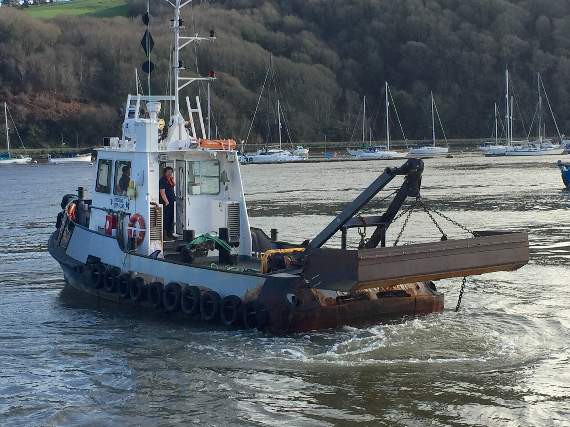
A dredging tug has been used to scoop out the material and deposit it in the main channel of the river from where it will disperse naturally.
The dredging project saw the Higher Ferry taken out of service around 9am last Thursday until early afternoon to enable the silt clearance to be carried out from the bottom of the Dartmouth slipway.
The operation was originally planned as part of the ferry’s maintenance programme three weeks ago but repairs needed on the winch of the dredging vessel delayed the work.



-with-her-Junior-International-Championships-2024-gig-rowing-medal.jpeg?width=209&height=140&crop=209:145,smart&quality=75)
The build-up of sediment in the river is a natural process as muddy water from fields and surrounding land gets washed down from rainfall and material is gradually deposited on the river bed, often affecting river traffic and sometimes even the flow of the river.
Higher Ferry manager Kerry Southern said: ‘We have to keep an eye on the situation and take action when needed, usually every three years.
‘The dredging needed to be carried out to prevent the ferry going out of service on very low spring tides.’
He said the system used was called plough dredging, whereby a plough was placed on the river bed and dragged along behind a tug dragging the silt out into the main channel of the river.
The boat worked in conjunction with a team of divers who monitored the operation from below the waterline.
Comments
This article has no comments yet. Be the first to leave a comment.